VENDOR CREDIT & TRADE LINES

Vendor Credit & Trade Line Building: The Fastest Way to Build Business Credit From Zero

You’ve set up your business the right way. You have an EIN, a business address, a listed phone number, and files with the business credit bureaus. Now comes the question every new business faces: how do you get credit when you don’t have any credit yet?
The answer, for most businesses, is vendor credit. These are suppliers that let your business buy products now and pay within 30 days, then report your payments to the business credit bureaus. They’re often the very first accounts that appear on your business credit report, and the most reliable way to turn an empty file into a real credit history.
Vendor Credit & Trade Line Building guides you to the right starter vendors, in the right order, with a clear strategy to make every purchase count. Pay on time, or better yet early, and your business begins building a profile that opens the door to bigger credit.

Real Trade Lines.
Real Business Growth.
WHAT ARE VENDOR CREDIT AND TRADE LINES?

What Are Vendor Credit and Trade Lines?

Vendor credit is credit a supplier extends to your business. Instead of paying at checkout, you receive the products and pay the invoice later, typically within 30 days. This is often called net-30 terms.
A trade line is any credit account that appears on your business credit report. When a vendor reports your account and your payment history to a business credit bureau, it becomes a trade line.
Here’s the key: not every vendor reports. You might pay your suppliers on time for years and have nothing to show for it on your business credit report. Building business credit means choosing vendors that report to the bureaus, so your good habits show up where lenders can see them.
Vendor Credit
Buy now, pay later. Typically net-30 terms; you pay within 30 days.
Trade Lines
Accounts that report to the business credit bureaus, building history.
The Goal
Build a credit profile that opens the door to bigger opportunities.
WHY VENDOR CREDIT COMES FIRST

Why Vendor Credit Comes First

01
Vendors approve new businesses
Many starter vendors approve new businesses with little or no credit history, based on a properly set-up business identity alone.
02
Often no personal guarantee
Many starter vendor accounts don’t require a personal guarantee or a personal credit check, so your business builds credit on its own.
03
They create your payment history
Business credit scores are driven heavily by payment history. Vendor accounts give your business a track record of paying on time.
04
They unlock the next level
Once you have several reporting accounts, you can qualify for store cards, fuel cards, business credit cards, and larger credit lines.
HOW VENDOR CREDIT & TRADE LINE BUILDING WORKS

The 5-Step Process

1
Confirm your foundation
Before applying, make sure your business identity and bureau files are in place. If not, start with Business Identity & Bureau Setup →.
2
Open starter vendor accounts
We guide you to a curated set of starter vendors that approve new businesses and report to the bureaus. You’ll typically open several.
3
Make purchases you actually need
Buy products your business already uses, like office supplies, shipping materials, cleaning supplies, or equipment. Minimums may apply.
4
Pay early
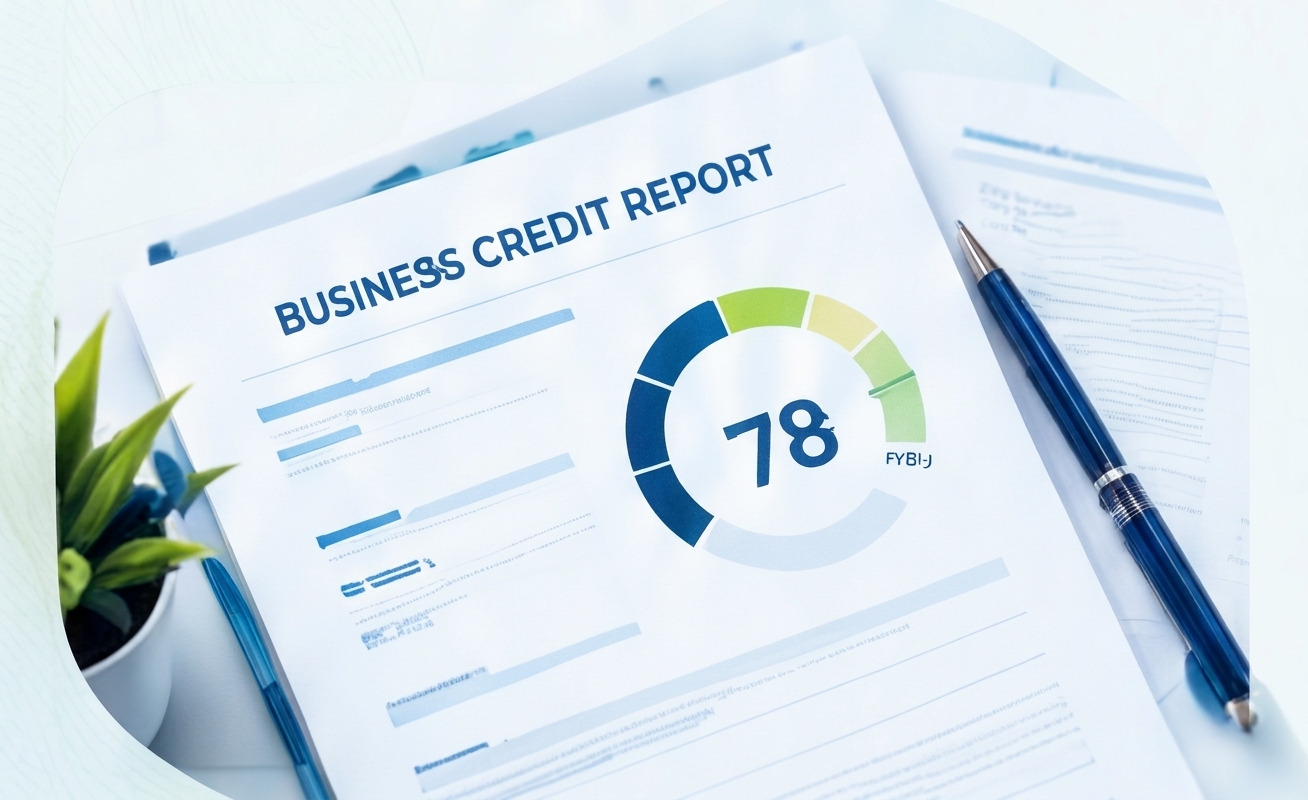
Pay each invoice before the due date. On Dun & Bradstreet’s PAYDEX score, paying early can push your score above 80, the on-time mark.
5
Watch your accounts report
Vendors report on their own schedules, often within 30 to 90 days. We help you track progress and keep you on plan every step of the way.
COMMON VENDOR TYPES

Popular Vendor Categories

We work with trusted vendors across multiple industries, including:
Office Supplies & Equipment
IT & Technology
Industrial & Manufacturing
Construction Supplies
Restaurant & Food Service
Retail & E-commerce
YOUR CREDIT JOURNEY STARTS HERE

Build Your Business Credit with the Right Partners

Get the vendor accounts, trade lines, and reporting strategy you need to turn your business into a credit-worthy entity.
Better Vendors.
Stronger Credit.
Bigger Opportunities.